
AI Can (Mostly) Handle Bibliographies
We've come a long way in the past year. Another domino has fallen.

A year ago, I fired up ChatGPT in the hopes of generating an accurate bibliography for the forthcoming Racket title. My hopes were high.
ChatGPT quickly dashed them. The popular chatbot was maybe 70 percent accurate. Some of its data was downright risible.
My, how times have changed.
I'm pleased to announce another new benefit for Racket subscribers. The latest one lets authors easily fine-tune this boring but essential part of writing a prescriptive nonfiction book.
Creating a Bibliography From a Simple List
As a test, I listed my books in a simple Word document:
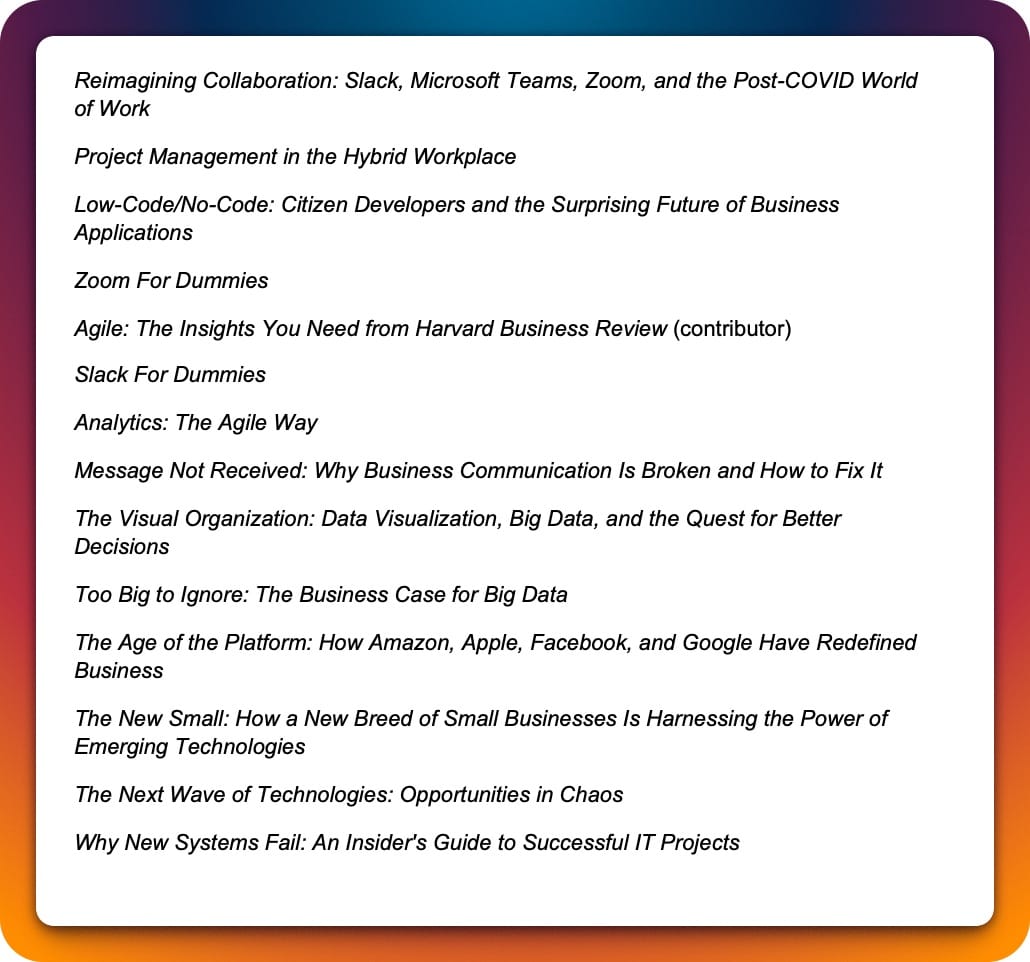
I then ran the Claude Skill. After maybe four minutes, it dutifully returned the following results:
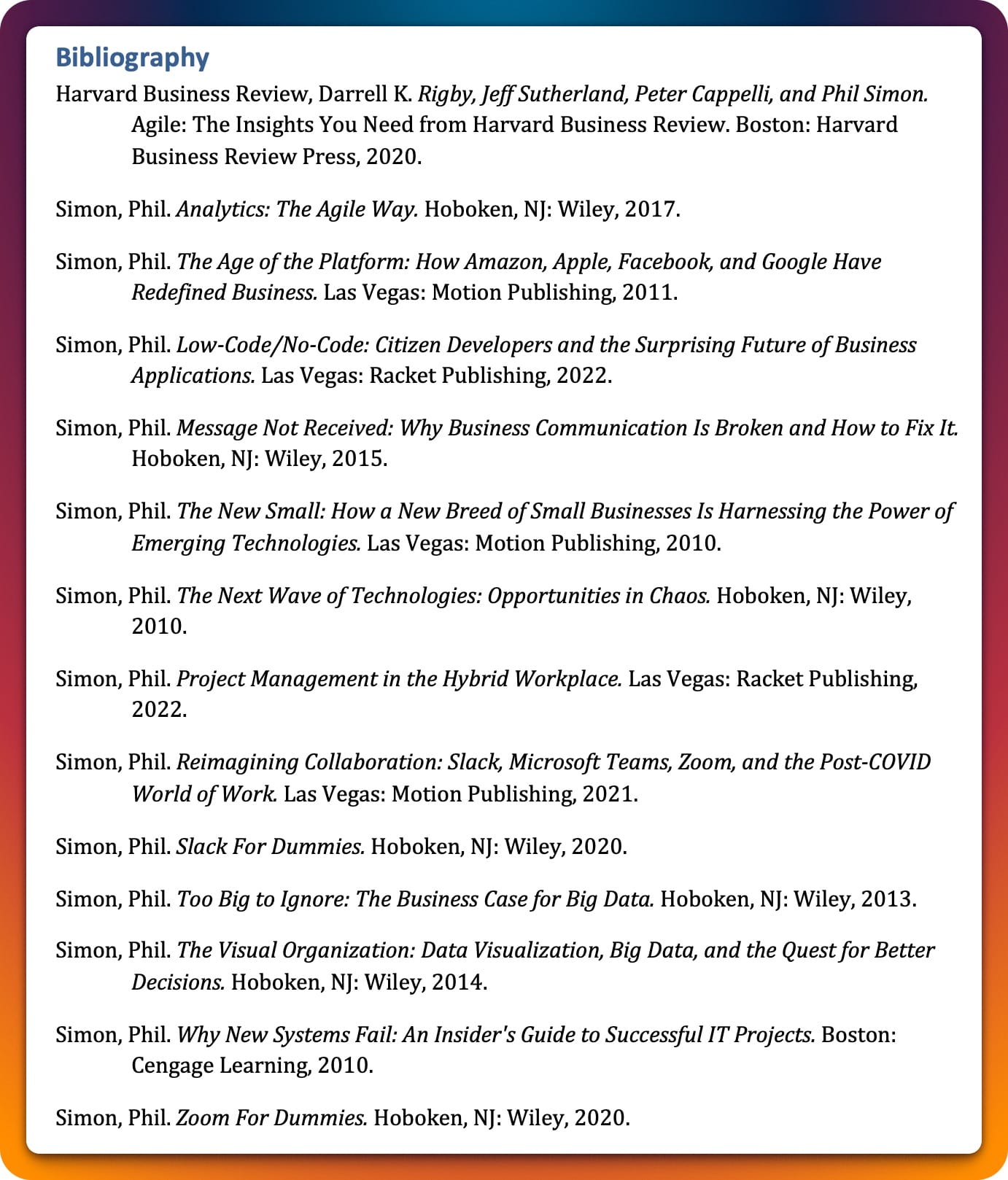
Not too shabby. One minor quibble: Claude italicized the names in the first title—not the book. (As an aside, The Chicago Manual of Style makes putting ISBNs in bibliographies optional.)
Verifying Existing Entries
Say that you've already done the grunt work of generating the bibliography. Still, you'd like another set of eyes on it. No problem. Ask the Skill, and it will automatically identify issues with existing bibliography entries.
I fed Claude the first nine entries in the draft bibliography for The Nine: The Tectonic Forces Reshaping the Workplace. Here's what it returned:
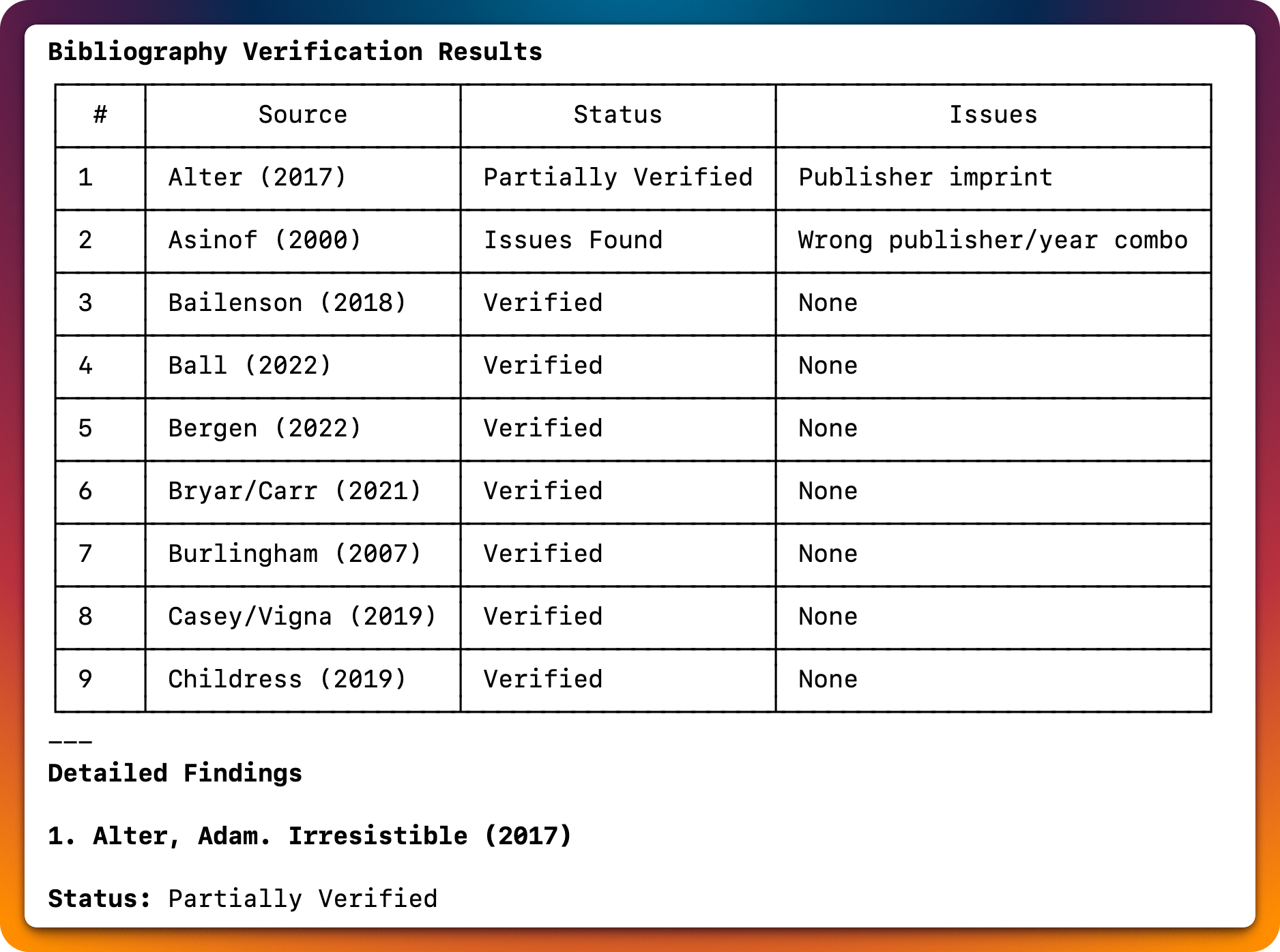
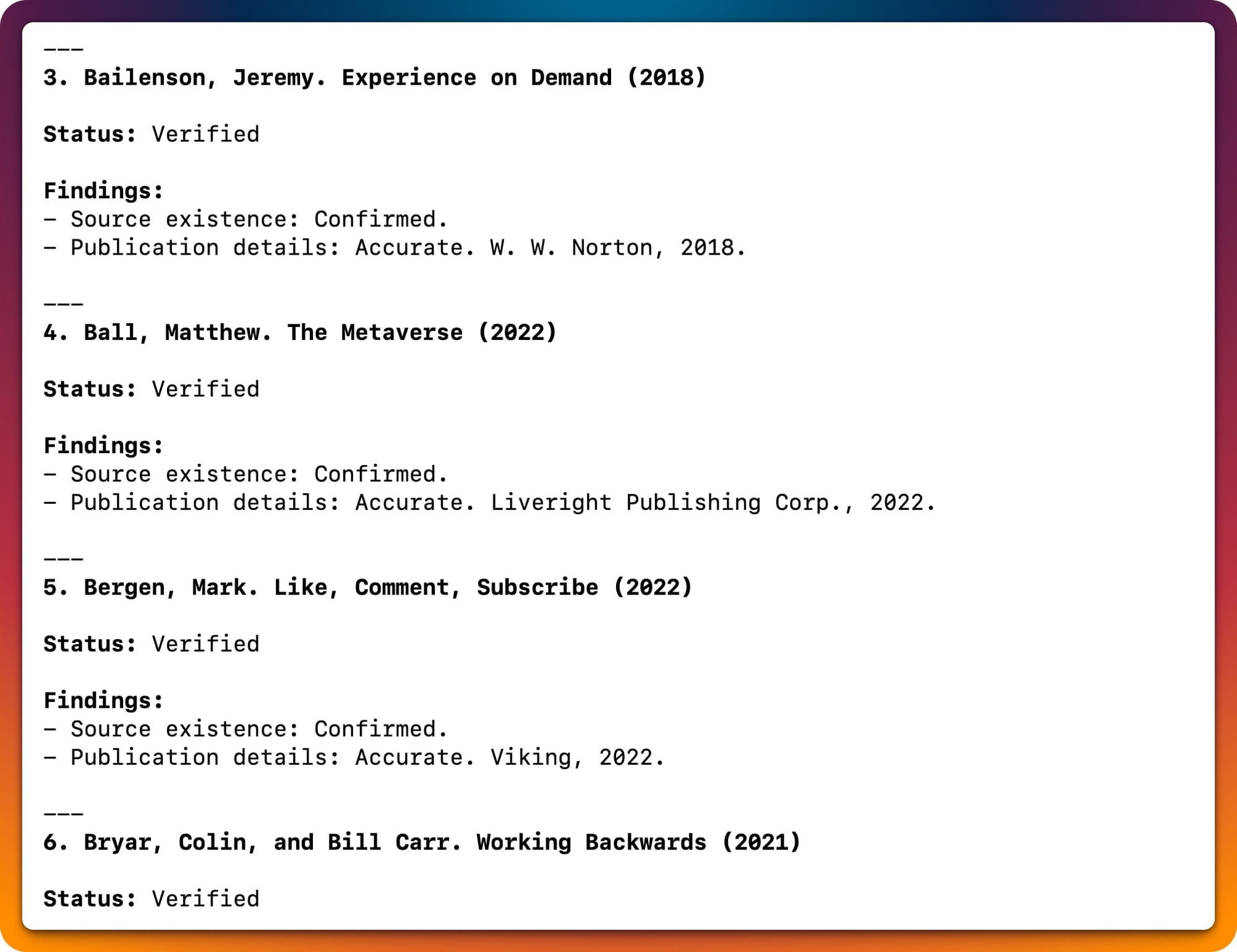
Scrolling down provided the requisite detail:
As a reminder, you need to be on a paid Claude plan to install and access its Custom Skills.